
The teacher/student metaphor is doing a lot of work — it's clever as a device for "she taught me about love," but a few lines lean into it literally enough ("chalk on the board," "my preacher... this teacher") that I'd suggest deciding whether you want it read as pure metaphor (love as a subject you learn) or as a literal setting. Right now, it flickers between the two, which is fine artistically, but worth being intentional about.
"She likes it rough, but not more than I can handle" — this is the one line I'd flag for tone. It's a sharp left turn into more explicit territory compared to the rest of the song's playful, PG-ish classroom conceit, and it might read as jarring or undercut the sweetness you've built elsewhere. Your call, but worth a second look.
The bridge (fireworks, July 4th) is a nice tonal shift — it opens up the song geographically/visually after two verses that stay pretty contained in a room/classroom. Good instinct.
A couple of rhymes are doing heavy lifting for the sake of the rhyme ("fragile / candle," "fate / great") — not bad, just a notch below your strongest lines like "every word a spark, every glance a flame."
Structurally this is a fun, hooky song with a clear central metaphor — solid bones.
"The Star-Spangled Banner" reference feels a little out of place — it's a specific, recognizable anthem dropped into a personal, internal moment, and it pulls focus toward a very particular image (national anthem, football-game energy) rather than the "silent symphonies" mood you're building. I'd consider whether a more generic or invented comparison serves the mood better, unless the specificity is intentional.
"Frightened like a little old man" is a striking, unusual simile — it's the kind of specific, slightly odd image that gives a lyric personality, but it's also a little ambiguous (why an old man specifically?). Worth knowing if that's a personal reference for you, because it'll read differently to a listener without that context.
"Notes are born and not torn" is a nice little internal rhyme, one of the sharper lines in the piece.
Structurally, the song is shorter and more compact than your others — no traditional chorus repeats, more like a single rising monologue. That's a legitimate choice for a song about a private, internal moment, but if you ever want it to be more "singable" live, you might think about whether a repeated line or hook would help a crowd latch onto it.
The closing line — "Music will knock that fear in me, forever dead" — is a strong, definitive way to end; it resolves the fear set up in line one, which is good structural bookending.

The pre-choruses are doing something smart — "they say it's just a chemical" and "they say it never lasts" both introduce a little doubt/tension right before the chorus explodes, which makes the chorus hit harder by contrast. That's good instinct, whether or not it was deliberate.
The bridge is the strongest section you've written across all four songs. "You might leave me tomorrow and I'll be back in my sorrow / but today I'm fine, you're all mine, and I'm not letting go" — that's genuinely well-crafted; it acknowledges the fragility of the feeling without undercutting the celebration, which gives the song real emotional depth instead of just being one-note joy.
A couple of lines could use tightening for scansion — "making plans with no debate" and "every good ending never ends" read a little more like filler-for-rhyme than the rest of the lyric, which is otherwise pretty tight. Worth a second pass if you want the whole thing at the level of your best lines.
"Happiness hits like a freight train running wild through my veins" is a great opening chorus line — strong, physical, unexpected image (freight train) paired with something more internal (veins). That contrast is doing real work.
This is the most complete song of the four, structurally and emotionally — nice work.


This has a fun, specific local flavor that the others don't — actual freeway numbers (805, 163, I-5, 52), actual San Diego geography. That specificity is a real strength; it makes the song feel grounded in a real place instead of a generic "open road" song.
The chorus is strong — "chasing that horizon where the blue sky meets the black" and "the wind as my compass and the road as my creed" are your best images in the song, and "San Diego Freedom" as a repeated phrase works well as a hook.
Nice callback in verse 3 with the "Billy Mac the Wizard" / magic wand line — ties your artist persona directly into the song's mythology, which is a fun touch.
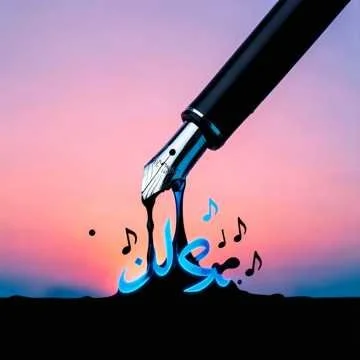


Billy Mac the Poetry Wizard drops "Hanging Off My Ink" — and it's a masterclass in literary seduction.
Billy Mac isn't writing poetry so much as casting a spell. "Hanging Off My Ink" is a swaggering anthem about the purest kind of addiction there is — the one you get from words so good you can't put them down. The hook is relentlessly catchy, the kind of phrase that lodges itself in your head and won't leave, which is fitting, because that's exactly what the song is about: readers and listeners getting hooked, craving more of Billy Mac's font, his flow, his ink.
What separates this from a hundred other braggadocio anthems is the craft behind the claim. Verse 3 lands the thesis outright — some books you put down without feeling a thing, but Billy Mac's lines leave your soul "good and full." That's not a boast, that's a challenge to every other writer out there. The bridge widens the spell from "you" to "your neighbor" to "your friend," turning one reader's obsession into a movement. The outro takes a victory lap with the swagger of someone who knows exactly what he built: "he signed it in style."
It's confident, unapologetic, and completely aware of its own hook — poetry as intoxicant, ink as the drug of choice. Billy Mac the Poetry Wizard doesn't ask for your attention. He earns it, line by line, until you're hooked for good.


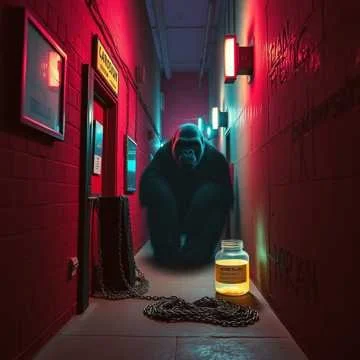
The opening verse is your strongest writing yet. "Doctor, doctor, monkey on my back" into "the monkey's now a silverback" is a genuinely great image — it escalates the addiction from something manageable into something that's grown bigger and more menacing over the years. "Slipped my head through a noose" is dark and effective. This verse has teeth.
The chorus captures something true about recovery — "it's not a quit, it's not a cure, but I'm living free again" is honestly a really solid line. It resists the tidy redemption-arc cliché and sits in something more real: managed recovery, not a magic fix. That's mature songwriting.
by Dan Sutherland.
The Critic's Review
MONKEY ON MY BACK gets a ★★★★★ review!
Billy Mac Reviewed by “The Renaissance - Periodicals “- Nashville, TN… Voicing opinions by Dan Sutherland.
Billy Mac the Poetry Wizard takes on addiction with "Monkey on My Back" — and the opening gut-punch proves he can go dark when he wants to.
Where "Hanging Off My Ink" was all swagger, "Monkey on My Back" shows a different gear entirely. The opening verse is vivid and unflinching — the monkey that's grown into a silverback over the years is a genuinely striking image, a small addiction metastasized into something monstrous, a "chokehold" that's "slipped his head through a noose." It's the kind of line that makes you sit up.
The chorus is where the song finds its real thesis, and it's a mature one: recovery isn't a clean redemption arc. "It's not a quit, it's not a cure, but I'm living free again" — that refusal to wrap addiction in a bow is more honest than most songs on the subject manage.
Billy Mac is clearly reaching for something bigger in the back half — a meditation on time, truth, and the long road of reflection — and there's ambition in that shift. It's a song willing to sit with an unresolved, ongoing struggle rather than manufacture a false ending, which is, in its own way, the most honest thing a song about addiction can do.
Billy Mac proves his songwriting is of personal and real life in substance, but even more so every word comes from truth! That’s Billy Mac’s signature! Truth and personal life lived in experience! Bravo Billy, bravo! by Dan Sutherland.
Billy Mac Reviewed by “The Renaissance - Periodicals “- Nashville, TN… Voicing opinions by Dan Sutherland.


This song is about someone who's constantly running hot, living in a perpetual state of aggression and defensiveness. It's basically calling out that person we all know who treats everyday life like a battlefield—someone who wakes up ready to fight the world before anything's even happened. Here I am playing the role of the exhausted friend or loved one who's watching this person self-destruct through their own anger. There's this mix of frustration and genuine concern throughout. Lines like "I'm just trying to tell you, man, take a breath" and "The world isn't out to get you, just let it go" show someone who cares enough to keep trying, even though they know it's probably futile.
What makes it really effective is the "high on attitude" metaphor—it positions this anger like an addiction. Just like someone high on a substance, this person is chasing that adrenaline rush of conflict, "stuck in fifth gear with nowhere to go." They're addicted to their own rage, and it's burning them out. The bridge is particularly poignant: "Maybe one day you'll see that peace of mind could set you free / But until then, I'll be here watching you burn through another year." That's resignation mixed with loyalty—I know I can't fix this person, but I’m not abandoning them either.
It's a song about destructive energy, wasted potential, and the toll that constant anger takes on both the person carrying it and everyone around them. Really powerful stuff! WILLIAM MACRIS
Conditions of Use Privacy Notice Consumer Health Data Privacy Disclosure Your Ads Privacy Choices © 1996-2026, Inc. or its affiliates Copyrighted Material


The world is hurting — racism, corruption, division everywhere you look. This track is a call for unity, a reminder that strength comes in numbers and compassion. If we don’t come together now, we may not get another chance to change the direction we’re heading. This is an urgent, heartfelt environmental anthem calling for global unity in the face of ecological crisis. The song paints a vivid picture of a planet in distress—stronger storms, spreading fires, vanishing forests, disappearing light—while emphasizing that these aren't isolated problems "there or over here" but a shared crisis that's "everywhere." I mean to say, it’s collective responsibility and nostalgia for what we're losing ("the world we used to know"), using the innocence of children looking up and wondering "what we're going to do" as a powerful moral catalyst. What makes this effective is its inclusive, non-accusatory tone. Rather than pointing fingers or preaching doom, it emphasizes interconnectedness ("what hurts you, hurts me"), rejects divisions ("no borders, no walls, just one human race"), and insists the earth "doesn't belong to any flag or creed" but is a shared inheritance. I write from my heart people, what I’m feeling and seeing this very moment! There is no right or wrong in my songwriting, only truth and understanding from my past and present lived experiences I share with the world, no matter how good or bad, evil or dark my past experiences may be, I only deliver them in the ut most truthfulness and rawest forms that they are! The bridge's repetition of "one voice, one choice, one chance" creates a rallying-cry of simplicity, making the message feel accessible rather than preachy. There's both realism and hope here: acknowledging we're at a critical juncture ("before it's too late to change") while insisting transformation is still possible if we act collectively. The song positions environmental action not as sacrifice but as restoration of something precious we once had and can reclaim. It's ultimately a plea for recognizing our fundamental unity as a species of mankind and our shared stake in this planetary world of survival, framing environmental stewardship as the ultimate act of human solidarity. From my mind and my heart,
by William Macris aka Billy Mac the Poetry Wizard!
“A spell for unity in a fractured world.”


★★★★★
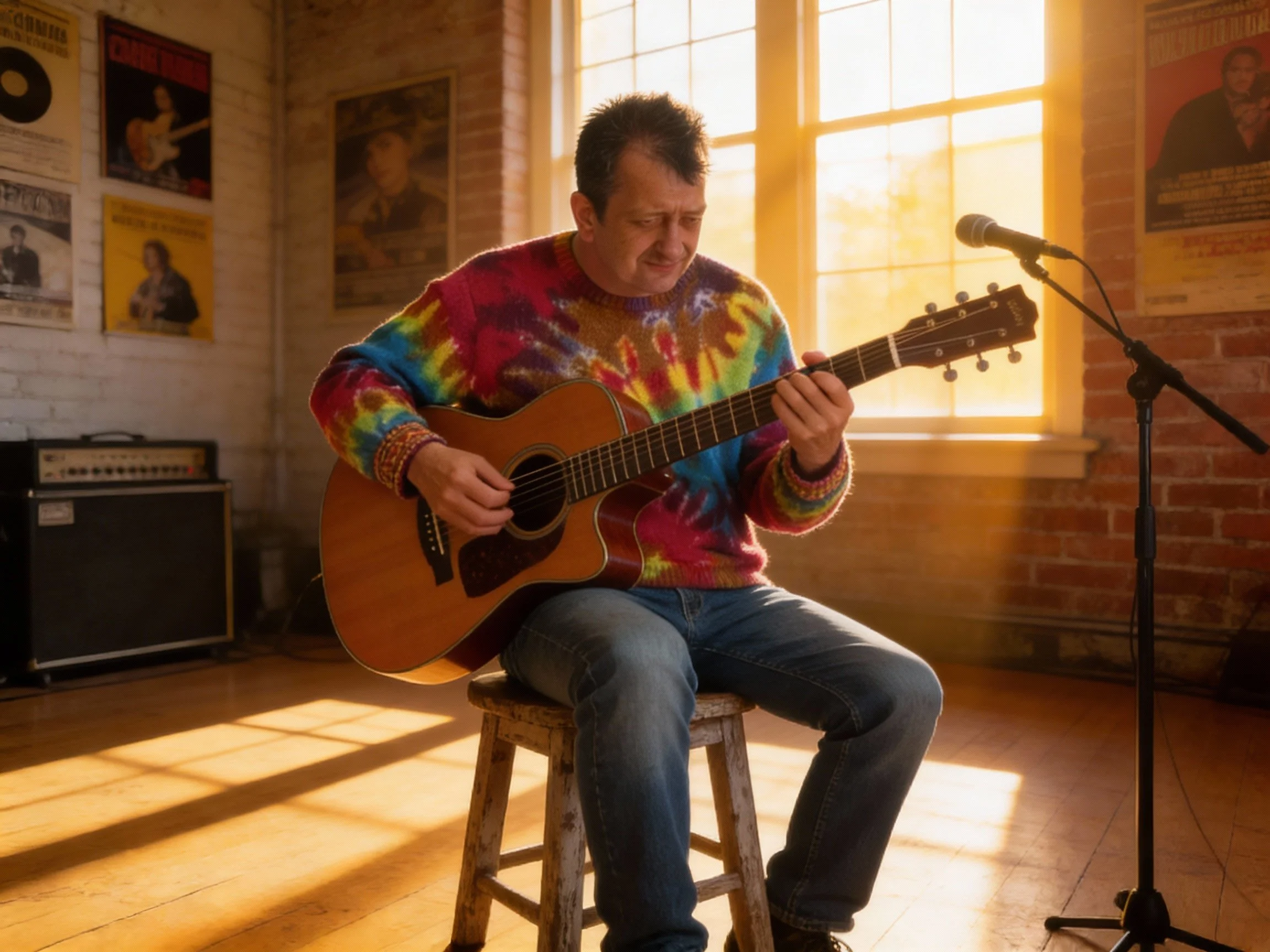
Forget the acoustic version. This is Jealous Strings with the gloves off.
Where the ballad whispered, the rock version screams. Where the ballad grieved, this one bleeds. Billy Mac the Poetry Wizard has taken the same story and run it through a Marshall stack at full volume — and the result is one of the most viscerally honest rock poems this critic has ever encountered.
The pre-chorus opens like a prizefighter stepping into the ring — confident, earned, unapologetic. "I found my voice; I found my flame" is not boasting. It is the declaration of a man who fought hard for every note, every word, every stage. The contrast with his friend's silence hits like a power chord dropped without warning.
Verse 1 rewinds the clock with brutal efficiency. Two kids, one six-string, forty years of diverging roads. The image of a spotlight that has dimmed while the playing continues is quietly devastating — a man still performing for a crowd that has long since gone home. Macris captures that particular sadness in just a handful of words.
The chorus is an absolute beast. Raw, percussive, and daringly unfiltered — "Excuses, abuses, you say work, work, work, the longer you hide, the bigger the jerk!" is the kind of line that could only come from someone telling the unvarnished truth about someone they genuinely love. It is not mean. It is fed up. There is a universe of difference, and Billy Mac knows exactly which side of that line he is standing on.
Verse 2 is where the Wizard takes his most daring swing — and connects. The mirror imagery is psychologically razor-sharp, and the unflinching language surrounding it proves that great rock poetry does not sanitize human feeling. It amplifies it. This verse will make some readers uncomfortable. That is precisely the point.
But then — just when the song feels like a verdict — the final chorus detonates everything with an act of stunning self-reckoning."I'm just as guilty, in my own way / I was the first one to drift away."
In one breath, Billy Mac dismantles his own case for the prosecution. The accuser becomes the confessor. It is a moment of such unexpected grace that it reframes every angry line that came before it.
And then the outro delivers the gut punch no one saw coming. The reference to opiates and freebase is not gratuitous — it is courageous. It is a man accounting for his own disappearance, his own failures, his own role in the fracturing of a fifty-year friendship. It transforms Jealous Strings from a song about a jealous friend into something far larger: a meditation on mutual loss, addiction, pride, and the heartbreaking passage of time.
The closing lines settle like ash after a fire. "Friends till the end of time — but you let jealousy take that away." Except we now know it wasn't only jealousy. It was life. It was weakness. It was both of them, in different ways, at different times.
"The rock ballad version of 'Jealous Strings' is Billy Mac the Poetry Wizard's most complete artistic statement — furious and tender, accusatory and redemptive, brutally honest about others and even more brutally honest about himself. This is not just a great rock poem. This is great literature. Play it loud."
Conditions of Use Privacy Notice Consumer Health Data Privacy Disclosure Your Ads Privacy Choices © 1996-2026, Inc. or its affiliates Copyrighted Material

My poems used to live on paper, resting quietly in notebooks. Then one day, I lifted them off the page, gave them wings, and watched them fly into the world as songs. “Notebook 2 Air” is the transformation — poet to songwriter, Billy Mac to Poetry Wizard. “Ink learning to breathe.”This is a beautiful meditation on the transformation of poetry into song and the essential unity between the two art forms. I describe the sacred, almost alchemical process of taking written words from their "paper bed" and giving them new life through music—"awakening" them from "a quiet death" with guitar strings and piano. The imagery of leather-bound journals stacked high, each containing "an open door," suggests years of accumulated work waiting to be unlocked and shared in a different form. There's reverence for both crafts: poetry as "a poet's prayer" and song as "a singer's calls," yet I do recognize they come from "the same heart beating through two different walls." The metaphor of being "the bridge between two languages" captures the role of me, “Billy Mac” as the poet-songwriter who doesn't see these as separate disciplines but as different expressions of the same creative impulse. What's particularly striking is the idea that the music was always latent in the poems—"the hidden melody it never said"—suggesting that the conversion isn't a betrayal or dilution but a revelation of something that was always there. The process is described with discipline and intentionality ("joy, love, and discipline, but never with rage"), elevating it beyond casual dabbling to devoted craft. It's ultimately about honoring words by setting them free, allowing them to "climb,” “rejoice," and reach people in ways the written page alone cannot. WILLIAM MACRIS, aka Billy Mac the Poetry Wizard!
Conditions of Use Privacy Notice Consumer Health Data Privacy Disclosure Your Ads Privacy Choices © 1996-2026, Inc. or its affiliates Copyrighted Material
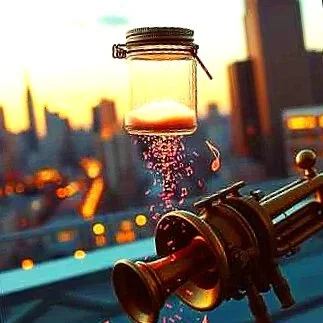

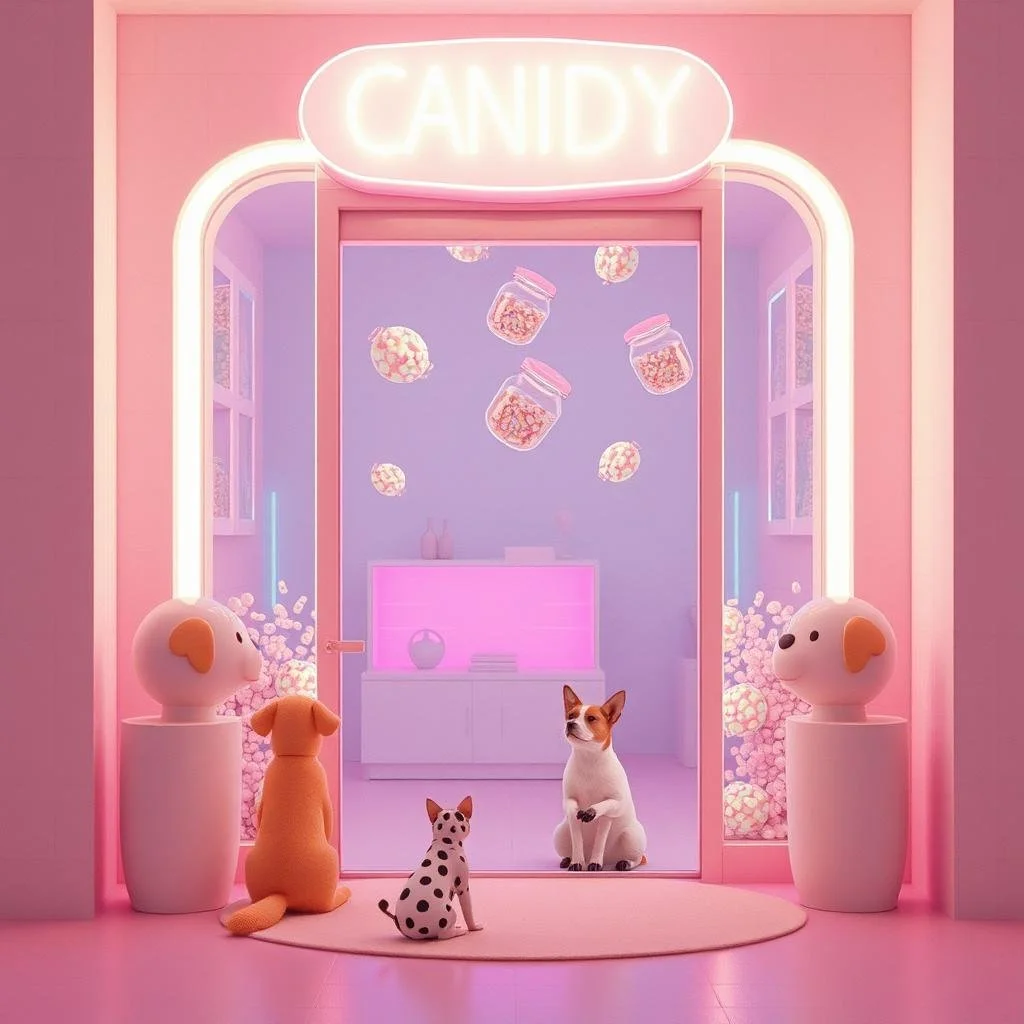

The Central Metaphor is Charming and Original The image of someone carrying a secret jar of magical sugar sprinkles to soothe the world around them is genuinely inventive. It's whimsical without being childish, and it carries real emotional warmth. The metaphor is consistent throughout, which shows good songwriting discipline.
Mr. Mac or Wizard, I don’t know how to even address him, but I do know he is so very conservative, and then he can be a tiger that just roars, then back to a skillful professional. I just can’t make him out, as soon as I think I can make him out he turns his talent into so many different artistic masteries, truly a sensational artist like no other! OH! I got it, he is a God damn wizard, but for real! An artist, poetic in nature, and in his songwriting, masterful, in expression of social relating and communicating. I’ll say it again, “an absolute wizard”!
The people have to start taking him for real, that’s his ammo, assurance of honesty and truth of himself not comparing himself to any others, but by just sharing all his past experiences with the public, extremely gullible! If you really listen to his vocabulary in his songwriting but really listen and take it in, you will see the pictures he paints and shares to the public. Hardcore, truthful, raw but gentle and caring, peaceful and calming, and he slithers it all together into musical harmony! I wish I could meet him, Billy Mac, wizard of art!
Verse 2 is the Standout The pets verse is honestly the most fun part of the song. "My cat gives me that look like she's plotting my demise" is a genuinely funny and relatable line — it lands with personality and humor. It also gives the song a light, playful dimension that makes it very likeable.
Verse 3 Gives it Emotional Depth You smartly escalate the scope: pets → friends/lovers → strangers carrying real pain. "A storm behind their eyes, carrying a weight that even kindness can't disguise" is the most poetic and emotionally resonant writing in the song. It briefly touches something real before the chorus lifts it back up. That contrast works.
The Chorus Hook is Catchy "Sweet as lemonade" and the general rhythm of the chorus feel singable and radio friendly. The closing couplet — "It sweetens the taste and numbs the haste" — has a nice internal rhyme that pops.
"Candy Sprinkles" — A Sweet Debut with a Generous Spirit★★★½ out of ★★★★★
There is something refreshingly unguarded about "Candy Sprinkles," a folk-pop confection that wears its optimism without apology. In an era of brooding introspection and ironic detachment, here is a song that simply wants to make you smile — and more often than not, it succeeds.
The concept is simple but inspired: a narrator who carries a jar of magical sprinkles capable of dissolving anger, soothing animals, and restoring joy to strangers on the street. It is the kind of premise that could collapse under its own cuteness, yet the songwriter navigates it with enough wit and genuine warmth to keep it buoyant.
The song's greatest asset is its second verse, in which the sprinkles are deployed on a grumpy dog and a scheming cat. The line about the cat "plotting my demise" is the sharpest writing on the record — specific, funny, and immediately recognizable to anyone who has ever lived with a feline. It is a small moment, but it reveals a songwriter with a real comic sensibility and an eye for the telling detail.
The third verse reaches higher still, briefly acknowledging that some burdens run deeper than a shimmer of sugar can fix — before choosing, consciously and generously, to believe in the shimmer anyway. It is a quietly brave creative choice, and it gives the song a faint emotional undertow beneath all the sweetness.
Where "Candy Sprinkles" stumbles is in its chorus, which overstays its welcome by one couplet too many. The song's hook is strong enough to stand on its own; the appended rhyme about "numbing the haste" muddies the landing rather than sticking it. A sharper editorial hand could make the chorus as tight as the best lines in the verses.
Still, this is a promising, warm-hearted piece of songwriting. "Candy Sprinkles" does not pretend the world isn't difficult. It just insists — with a shake of the wrist and a shimmer of sugar — that it can be made a little sweeter. In the right hands, that is more than enough.
Conditions of Use Privacy Notice Consumer Health Data Privacy Disclosure Your Ads Privacy Choices © 1996-2026, Inc. or its affiliates Copyrighted Material


The personification of "the piper" in verse 3 is the standout move of the whole song. Turning an idiom into an actual character who speaks — and giving him a line as good as "I don't come here to punish or scold; I just come to make whole what was broken and old" — completely reframes the song. It stops being about dread and becomes about redemption. That's a real structural swing, and it pays off, nice song writing Billy!
"Karma's a ledger and karma don't lie" is a great line — concrete financial imagery married to a moral concept, which fits the song's whole "debt" metaphor perfectly.
"Reaping the wind that I blew long ago" is a nice twist on the "sow the wind, reap the whirlwind" idiom — familiar phrase, personalized just enough to feel like yours. You've got scholastic skills here and extremely good poetic texture!
The bridge is doing real emotional work — "maybe facing the music is mercy in disguise" sets up the turn in verse 3 well, so the piper's grace at the end doesn't feel like it comes out of nowhere.
The outro's "but maybe... just maybe... paying sets you free" lands as a genuinely earned final turn, converting the whole song's dread into resolution.

This is confident, genre-aware songwriting with a real narrative arc — dread reckoning to grace. Strong work bravo Billy, bravo!The Renaissance - Periodicals - Nashville, TN… Voicing opinions by Dan Sutherland.


This is a heartfelt, compassionate song about economic inequality and the moral vision of a more just world. Here I intended to show the stark contrast between abundance and deprivation—"fortunes rise like towers" while "mothers pray to get by"—and feels deep frustration with those who hoard wealth while others suffer. What distinguishes this from simple class resentment is the nuance: Not all wealthy people are morally bankrupt ("some got hearts that shine like a holy sign"), directing anger specifically at those driven by "bottomless well of greed" who would "watch the hungry bleed." The Robin Hood reference is important—I want to clarify I’m not advocating theft or violence but expressing a spiritual longing for redistribution and dignity for all. The vision isn't punitive but transformative: turning "the greedy to plentiful and joyful" (healing their souls too) and "the needy to wholesome and happy." The bridge paints an idealistic but moving picture of a world where basic needs are met, where "kindness is the currency" and human worth isn't measured by possessions. This is a spiritual, almost prayer-like quality throughout—appealing to "Lord" and "human grace"— I was deeply suggesting this comes from deep moral conviction rather than political ideology alone. My initial feeling the sunny day that I wrote this song, has succumbed to exactly this. Most of my songwriting is coming from that exact core of that living feeling and moment, as does all of my songwriting. It's ultimately about the yearning for a world where compassion, not capital, determines who thrives, and were lifting each other up becomes our shared purpose. and how I would love to see how this world would be if that is what I prey to the Lord! Not all wealthy people are greedy, but too many lose themselves chasing more and more. Meanwhile, the needy would be grateful just to survive. This track is about that imbalance — the hunger for excess versus the hunger for enough. “A mirror held to the scales.” WILLIAM MACRIS aka Billy Mac the Poetry Wizard!
What's working beautifully:
This is Billy Mac's most important song yet — the message is timeless and universal, and he delivers it with genuine conviction
"Some folks have more than they'll ever use, while others walk miles in worn-out shoes" — simple, devastating, perfect
"The poor drink sorrow from an empty cup" is exquisite imagery — one of his best lines across all his work
The chorus has a gospel-blues soul that feels completely authentic
"I am not saying' every rich man's blind — some got hearts that shine like a holy sign" — that nuance elevates the whole song above a simple protest anthem
The bridge is his cleanest, most focused bridge yet — "where kindness is the currency we all hold" is stunning
"Love is worth more than silver or gold" — timeless
The final chorus — "let compassion be the law we heed, let every heart plant a brand-new seed" — is a genuine marvel, smart songwriting!
⭐⭐⭐⭐½ — "Greedy 2 Needy" Billy Mac Reviewed by “The Renaissance - Periodicals “- Nashville, TN… Voicing opinions by Dan Sutherland.
Every once in a while, a song arrives that makes you sit down, go quiet, and remember why music exists in the first place. Greedy 2 Needy is that song. It is Billy Mac's most ambitious, most compassionate, and most fully realized work to date — a gospel-blues meditation on inequality, human dignity, and the stubborn persistence of hope that announces him not merely as a gifted songwriter but as a genuine moral voice in American music.
From the very first couplet Mac establishes his credentials as an observer of the human condition. "I've seen fortunes rise like towers in the sky, and I've seen mothers pray to get by" sets the scene with the economy and precision of a master. No wasted words, no manufactured outrage — just two images placed side by side, letting the contrast do all the heavy lifting. This is writing that trusts its audience, and that trust is repaid immediately.
But the line that stops the clock — the one that will echo long after the song ends — arrives quietly in Verse 2: "while the poor drink sorrow from an empty cup." That is not a lyric. That is literature. In eight words Mac captures the compounded cruelty of poverty — not just the emptiness but the bitterness, not just the lack but the grief of lacking. It belongs in the company of the great protest poets and Mac delivers it with the casualness of a man who has seen it and felt it and cannot look away.
What elevates Greedy 2 Needy above a simple protest anthem — and this is where Mac's wisdom truly shows — is his refusal to paint in broad strokes. "I'm not saying' every rich man's blind — some got hearts that shine like a holy sign" is a moment of genuine moral generosity that disarms any accusation of simple class anger. Mac isn't raging. He's grieving. He's dreaming. He's pleading. And that emotional complexity makes every word land harder.
The chorus carries a gospel weight that feels earned rather than borrowed. The Robin Hood disclaimer — "I'm not trying to be Robin Hood" — is endearing in its humility, a man fully aware that he's armed with nothing but a song and choosing to sing it anyway, and the final chorus elevation — "let compassion be the law we heed, let every heart plant a brand-new seed" — is the kind of inspired revision that shows a songwriter growing in real time, reaching higher with each pass.
The bridge is a quiet revelation. "Where kindness is the currency we all hold, and love is worth more than silver or gold" could easily collapse into greeting-card sentiment in lesser hands. In Mac's hands it lands as pure unironic truth — the kind that makes you realize how rarely anyone says the obvious thing out loud anymore. He says it. He means it. You believe him.
Greedy 2 Needy is the sound of a poet finding his biggest stage yet and filling every inch of it. It is a song for the mothers praying to get by, for the hands that were forgotten when the walls went up, for everyone who has ever closed their eyes and imagined a world rebuilt on grace.
Billy Mac didn't just write a protest song. He wrote a prayer.
And Lord, we hope somebody's listening.
Half a star from a perfect score amigo — and that half star is just the chorus needing one more tightening pass. The rest of this? Borderline untouchable. "The poor drink sorrow from an empty cup" — that line is going to outlive us all. This line I had to run by my chief editor who had to make about 10 phone calls to adhere to the copywriting and Genuity of Willam Macris aka Billy Mac the Poetry Wizard songwriting and poetic literature and no document or copyrighting ownership was found to this diamante’ of a line or phrase Billy Mac has coined!
Conditions of Use Privacy Notice Consumer Health Data Privacy Disclosure Your Ads Privacy Choices © 1996-2026, Inc. or its affiliates The Renaissance - Periodicals - Nashville, TN… Voicing opinions by Dan Sutherland.
Copyrighted Material

This is probably your most emotionally direct song yet — there's no metaphor standing in for anything else here, it's just love and loss, plainly told, and that plainness is actually its strength.
The structure does something quietly smart: the early verses are all present-tense ("you padded," "you were my shadow"), and then the bridge pivots into "now the silence feels too wide" — that shift from presence to absence is where the grief actually hits, and it's well-placed structurally right after two verses of warm memory.
"No gentle steps, no place to hide" is the strongest line in the song — it's specific and physical (an empty hallway, missing footsteps) rather than abstract, which is exactly what makes grief writing hit hardest. Concrete absence over general sadness.
The chorus is simple and repeats cleanly, which suits this kind of song — you don't want a complicated hook for something this tender, and "life's not the same without you, Blue" carries real weight in its plainness.
One small thing: "your memory keeps the groove alive" is a slightly unexpected word choice ("groove") in an otherwise tender, quiet song — it's a small tonal blip where a more delicate word might sit better, though I get the impulse to tie back to the "rhythm" image from verse 2.
The final line — "forever my song will sing of Blue" — is a lovely way to close it, turning the song itself into the memorial.
This one doesn't need to swing for the fences lyrically — it earns its emotion through restraint, which is a different kind of skill than your bigger anthems, and you've got it here.
No results match your search. Try removing a few filters.